"What is he that builds stronger than either the mason, the shipwright, or the carpenter?"
Header image

Akira Ikufube

Official Site (Label)

King Kong vs. Godzilla Soundtrack, La-La Land Records 2006 (Original release date: 1962)

Yeah, like we'd be dumb enough to try using a picture of Godzilla without Toho's expressed written consent.

I know this seems like a bizarre way to close out this year’s Freaky Tiki Surf-ari. Truth be told, even I thought the idea that the King Kong vs. Godzilla soundtrack had anything to do with exotica music seemed odd at first. But as strange as it seemed, seeing the phrase “It’s Cocktail Hour at the Godzilla Tiki Bar” at the Amazon listing for the CD definitely caught my interest. Being a big Godzilla fan, I ordered the CD in order to experience it for myself.

I think part of the reason people might find the idea so surprising is due to their only being exposed to the American version of the film. What was originally a humorous commentary on commercialism in Japan was reedited into a serious science fiction movie. One of the casualties was the vast majority of the film’s score, which was replaced with stock music from a variety of Universal films. According to this, these films include Creature from the Black Lagoon, Bend of the River, Untamed Frontier, The Golden Horde, Frankenstein Meets the Wolfman, Man Made Monster and The Monster That Challenged the World. It wasn’t until La-La Land Records issued this CD in 2006 that the original soundtrack had an official release in America. Rather than discuss things like how the film originally started development as “King Kong vs. Frankenstein” or the how Godzilla really doesn’t win in the Japanese version, I’d rather discuss the composer for awhile before reviewing the album itself. Oh, and since this is a soundtrack review, please be warned that the names of the tracks may contain spoilers for the events depicted in the film.

Back when the classic Godzilla films were first hitting American screens, Akira Ifukube was one of the few (if not the only one) people involved in the making of Godzilla movies whose name could be found in American reference books. Ifukube’s love of music began in his youth and he even practiced composing in his spare time after his university studies. He obtained his first taste of international recognition in 1935 for his winning of the Tcherepnin Prize with his composition “Japanese Rhapsody.” His first film score came in 1947, when he composed the score for the movie The End of the Silver Mountains. Many more film scores would follow, including numerous daikaiju films for Toho. In fact, Ifukube was responsible for creating Godzilla’s famous roar and footstep sound effects! Although he is sadly no longer with us (he passed away in 2006 from multiple organ dysfunction syndrome), his music and legacy live on.

Powerful music and native chanting make up the “Main Title” while “Series of World Wonders” is an extremely brief vibraphone-style opening theme. Those who have seen the American version of the film might remember a shot of a less than realistic model of the planet Earth floating in space. In the original Japanese version, this was part of a gag involving the opening of the above-mentioned fictional television series. However, the footage revealing the joke was removed from the US cut of the film and led to many reviewers citing the scene as an example of “cheesy special effects.” In the first of many combo tracks, “The Sparkling Iceberg/Pashin Commercial” starts off very soft (with a touch of creepiness) and builds up, while cymbals and percussion lead to the commercial tune. The Lymanesque “Fujita & Fumiko” is a fantastic jazzy piano tune with soft saxophone work and what seems to be a touch of vibe work. “The Seahawk in Crisis/Great News Gathering Team Departure” starts with a buildup of suspenseful music with touches of the classic Godzilla theme while bass drums give a sense of power. This contrasts with the next song’s cheerful tuba march music. “The Seahawk’s S.O.S.” is appropriately dark and mournful, with eerie touches that would fit in well inside The Twilight Zone. In the quick “Faro Island,” drums and soft wind instruments convey a tropical feel. In the similarly quick “The Natives” features a soft, slow build up on the gong and chorus of native voices. “Southern Island Tale” is a jaunty, jazzy tune with pianos and playful female Japanese vocals.

“Thunder and the Devil/Fumiko’s Misgivings” opens with pounding and chanting that is similar to (but distinctly different from) the opening track. However, things slow down and soft drums take over for the Fumiko part. “Godzilla’s Resurrection” is pure power and terror in audio form. In other words, it’s the Godzilla theme that all G-fans know and love. “The Cry of the Devil/A Prayer to the Rolling Thunder” opens with soft (but stern) drums and the occasional use of horns. Both parts blend very well into each other. In “The Devil of the South Seas/Drums of Battle/Giant Octopus vs. King Kong,” things pick up in terms of both volume and feel, as terror and unease enter the picture. Native drums quickly build up and vanish as we enter next portion. It may surprise some to learn that the octopus was realized through a combination of puppetry, stop motion animation and use of live octopuses on miniature sets. In fact, one of them wound up as special effects director Eiji Tsuburaya’s dinner! In “The Sleeping Devil,” soft drums and familiar chanting are used to lull the giant ape to sleep. In “The Terror of Godzilla,” the classic Godzilla theme returns and in “The Invincible King Kong/Preparation for Operation ‘Burial,’” more unease and a sense of regality are heard. “King Kong vs. Godzilla I” has a soft opening buildup which quickly builds in both power and intensity. There are also echoes of the native chanting in terms of overall feel and not actual usage of said chanting. It’s hard to explain, but you’ll know what I mean when you hear it. “Preparations for Operation ‘One Million Volts’” is serious and militaristic while “Operation ‘Burial’” is suspenseful and owes much to the Godzilla theme, as does “Operation “Burial” Fails” and “Operation “One Million Volts” I.” In sharp contrast, “Operation “One Million Volts” II” features soft drums and more of the unease/King Kong feel. “Kong Shows Up in Tokyo” builds upon the themes set by last track and also incorporates vibe-like touches. While “The Plan to Rescue Fumiko I” features drums and soft native chanting, “The Plan to Rescue Fumiko II” use of chanting and drums is more energetic and even a touch militaristic. The busy “The Plan to Transport King Kong” coveys a military-style sense of purpose and action thanks to its use of drums and horns. The creepy opening drums of “King Kong Advances on Fuji” creates the sense of a gigantic monster approaching. “The Confrontation at Fuji” offers a fusion of styles: native chanting playing under a military march/Godzilla theme variation. Similarly, “King Kong’s Resurrection” combines Toho’s King Kong theme and native drums. “King Kong vs. Godzilla II” is frantic and fast-paced battle theme while “Ending” has a soft opening that builds up to big farewell. In the first of two bonus tracks, “Main Title (mono)” provides exactly what the name implies. “Main Title (a cappella)” is a drum-free version of opening. I should stress that this is an all new version of the opening theme and is not just the opening with instruments stripped out. It’s fascinating to hear only native chanting without any backing instruments, along with the new touches which seem to have been thrown in.

Although not of the all is exotica-related, there is enough of it to interest fans of the genre. If you’re looking for a present for the Tiki fan who has everything, this is the perfect choice. Japanese monster movie fans will appreciate the detailed liner notes by David Hirsch, which cover both the making of the film and provides details about each track on the album. Even if you are not an exotica fan, this is an amazing album that demonstrates how Akira Ikufube is a true master of his craft. Just be sure not to dawdle, because it’s now out of print and the price is rising fast!

The Crimson Ghosts

Official Myspace

Earth EP, Necro-Tone Records 2009

I love how happy the creature on the bottom left is.

One cannot discuss the Crimson Ghosts without first discussing the Misfits. Formed by Gleen Danzig in 1977, the punk band has gone through many changes since its humble beginnings in Lodi, New Jersey. Although their name came from a Marilyn Monroe film, the band’s image quickly became linked to horror due to both an increased focus on horror-themed material and their adopting the villain The Crimson Ghost from the classic serial of the same name as their mascot. Despite numerous lineup changes and the band breaking up in the 80′s, the steady stream of “posthumous” releases and big name fans in the music world, kept their name out there and boosted their popularity to new heights. In fact, the band reformed (sans Danzig) in the late 90′s and are still touring to this day. Naturally, the band has prompted numerous song covers and tribute acts.

The Crimson Ghosts formed in 1999 with the idea “what would of happened if horror punk legends The Misfits were formed in 1962?” The result is a combination of Misfits classics and Ventures-style surf rock. Although this release’s name and cover art are a play on the Misfits’ Earth A.D./Wolfs Blood album, it consists of instrumental interpretations of tracks from Static Age, Horror Business, Walk Among Us, Evilive and Die Die My Darling. I must confess that I have only heard a few Misfits songs, so I will mainly be judging the following as surf songs rather than how well they work as reinterpretations.

Things kick off with “London Dungeon,” which takes its name from the (in)famous British spooky museum/haunted attraction. As this track will show you, the band’s Ventures comparisons are well earned. It’s peppy, but still has a spooky undercurrent. While “Return of the Fly” has a creepy opening, the rest of the song is rocking. Well, rocking but somewhat mournful. Despite my admitted lack of experience with the Misfits’ music, I could tell this was definitely a Misfits tune. It’s hard for me to describe, it just has the right feel. In the energetic “Horror Hotel,” named after a British horror film, punk and surf make beautiful babies. “Teenagers From Mars” has a somewhat heavier intro than preceding track, but the rest is fast ‘n light. The Crimson Ghosts’ surf take on the song shows just how well they are able to make Misfits tunes their own. Guitars and drums really shine in the unfortunately-named “Children in Heat,” which has a classic-sounding surf outro. The
hard and fast reverb rock of “20 Eyes” reminds me why I love surf music. “Night of the Living Dead” starts out with a heavy-sounding intro and quickly moves into pounding beats with light reverb touches. “Vampira” is damn fine tribute to the mother of all horror hosts, with a great buildup towards the end. In “Die Die My Darling,” named for the classic Hammer film, classic surf touches abound (although its punk origins shine through). It seems that the notes themselves seem to symbolize the titular phrase. It ends with a great fadeout to a great song (and album).

Do you like the Misfits? Do you like surf? Then you’ll love the Crimson Ghosts! Given the release’s low price and excellent selection of music, Earth EP is the perfect way for curious potential fans to see whether or not they want to purchase any of the Crimson Ghosts’ other albums. In my case, it also convinced me to finally get into the Misfits more. Come to think of it, this ties in perfectly with the use of EPs in the world of punk music…

Special thanks to The Crimson Ghosts for use of the image!

The Hieratic Head of Ezra Pound doesn't have anything on us!

Seeing as how last year’s article about making your own Tiki stuff turned out so well, I thought I would revisit the subject this year.

If the wooden Tiki idol how-to from last year was not to your satisfaction, then perhaps you should try this article about making a cement Tiki garden idol.

What better way to spice up your Tiki bar than to build this nifty model of Thor Heyerdahl’s famous Kon-Tiki raft? If woodworking isn’t your thing, perhaps this papercraft Kon-Tiki replica would be more to your liking. Speaking of papercraft goodies, what Tiki bar would be complete without a dancing hula girl?

For something that’s potentially freakier, read up on making Tiki heads and designing Tiki pendants. The book that has the Tiki pendant instructions also has a perfect activity for those who are listening along to the music mentioned here: Drawing to island music.

Lighting is an essential part of any Tiki set-up, from the dim (but inviting) lamps to the red glowing eyes behind Tiki masks (accomplished by using a red Christmas lightbulb in a nightlight positioned a safe distance behind the mask). Go here to learn how to make your own hurricane lamps and Tiki votive candle holders. Do you want fire in your Tiki bar? Be both safe (and smart) by using one of the many fake flame tutorials available at the Monster Page of Halloween Project Links. Also of interest is this article, which lists types of wood that glow certain colors under a blacklight without needing any UV-reactive paint. It’s the perfect way to make your Tiki stuff extra freaky.

Searching Amazon yielded several mask-making kits that can be used to create Tiki decor, along with a special mold for making concrete Moais you can use to turn any yard into Easter Island. But if you’re going to go on Amazon to order stuff, you might as well go whole hog and choose from the various masks, idols, and other Tiki essentials that are already made. While we’re on Amazon, I should note how I think this educational “Moon in My Room” toy would work great in both Tiki set-ups and home haunts.

While searching for the above tutorials, I also found some instructions on making musical instruments. While only a few would look good hanging around a Tiki bar, all could be of use for anyone who wants to try their hand a making their own exotica tunes. This article shows how to make a candolin and a bottle xylophone and the very next page of the same magazine shows how to make a boom-whacker and quick ‘n dirty castanets. Although the directions given here are for a “toy” ukelele, I’d imagine that scaling up the plans would result in a serviceable standard ukelele. Finally, you can learn how to make a homemade glockenspiel, triangle, drum, and cymbals here.

For more Tiki decor goodness, be sure to visit the list of Tiki bar ideas over at the amazing TikiBarPlans.org!

As noted in previous “How-To” posts, Gravedigger’s Local 16 is not to be held responsible for the content on or anything that may occur (be it good or bad) as a result of visiting any links on those sites (or constructing a project that’s detailed on them and downloading anything from them). Attempt at your own risk.

Ding Dong Devils

Official Myspace

Tassels, Mai-Tais & Mischief, Tiki Tunes Records 2010

Nice...artwork,

Based out of Los Angeles, the Ding Dong Devils are not your average exotica band. In addition to the obvious exotica and surf influences, the band also draws inspiration from “fuzzy 60’s garage rock, amped-up rockabilly, tremolo-laden surf, and even the greasy bump and grind music that was used to accompany burlesque performers.” Their seamless changing from style to style in each song seem just as playful as the band itself. Speaking of which, the Ding Dong Devils feature:

Edwin Letcher as Rama Lama – vocals, guitar, ukelele and xylophone
Julia Devine as Nepheria – vocals, bass and upright bass
Brent Walker as Caltiki – vocals, guitar, steel guitar and mandolin
Rosann Simeroth as Puka von Pule – vocals, drums and percussion

While Tassels, Mai-Tais & Mischief is their debut album, that’s not the only reason why it’s special. Guest musician Dave Klein was brought in to lend his expertise on keyboards, bongos and percussion while noted artist (and Tiki mug maestro) Derek Yaniger was tapped to provide the cover art. But what of the music itself? Let’s find out!

Things kick off with the jaunty steel guitar and bongos of “Ding Dong Devils Theme I.” It’s a short, humorous piece used to start up their shows. “Jungle Doctor” has a heavier sound with plenty of rockin’ guitars. Despite what the title might have you think, the song’s subject matter is not a witch doctor. Instead, it’s who you see out if you had two many Mai Tais or headhunters have you in a stew. I enjoyed the punchline at the end. “Rob Roy” opens with the sounds of bar chatter and we soon hear a man trying (but failing) to get the bartender to make the titular drink. The overall feel of the song is that you’re overhearing conversations in a bar as a band plays in the background. In “Ballad of a Taboo Image,” a wooden idol sings of being transplanted from an island tribe to Polynesian restaurant. As the catchy tune continues, we hear of the further trials and tribulations of the transplanted Tiki. If it wasn’t for the ending, I would swear this song was based on the story of a Tiki restaurant turned seafood joint in my neck of the woods. The instrumental (save for the spoken refrain) “Tassel Hassle” wonderfully uses a steel guitar to musically conjure up exactly the sort of thing the title implies. Although the name “Theme from ‘Belly Dancers of Bali Bali’” might make you think of a movie theme, this is a completely original composition by the band. That said, it would definitely make a great introduction to a film, as drums start things off and soon give way to both a reverbtastic steel guitar and a wild chant of the title by the band members.

The percussion and keyboards evoke a spooky feel in “Leopard Man,” as do varying vocals which describe the villainous subject of the song. In fact, the whole band gets in on the action when it comes to warning us of the Leopard Man, who seems more like a super villain than a member of the Leopard Society to me. “Sufferin’ Bastard,” a tribute to (and history of) the drink of the same name, has a rock feel. If you thought mummies would get a mention due to the drink’s origins in Cairo, you’re right! Soft percussion, guiros and a steel guitar set the mood for “Mai Tais in the Moonlight,” where a couple sing of a tasty Polynesian picnic in the moonlight, along with how each drink effects the woman. “I Carry a Tiki Torch,” in which a lovestruck singer demonstrates how not to pick up someone you fancy at a bar (Tiki or otherwise), has the feel of a subdued B-52′s song with a tropical touch. In sharp contrast, “Head Shrinker” is much
darker, (well, as dark as the Devils can get) where drums and chanting back several people commenting on a shrunken head. I never thought roast pork would make a good multi-faceted metaphor for love, but the fast, rockabilly tune that is “(You Got Me) Stuck like a Luau Pig” showed me otherwise. Guiros (an exotica standard) make an appearance in “Tiki Boots” among the soft ‘n slow percussion and guitar work. The closing of Tiki bars and their subsequent replacement with more “mainstream” establishments is all too common these days. “False Idols Put a Curse on You” uses organ work, percussion and guitars to weave a tale of the terrible fate suffered by those who try to just that, something I imagine many a Tiki enthusiast secretly wishes for in their darkest moments. “Brontosaurus Stomp” is an excellent cover of the Piltdown Men’s classic ditty, in which drums filling in for the footfalls of a dancing dinosaur. Finally, “Ding Dong Devils Theme II” closes out the album (and this review) out with a continuation of the opening track.

My advice to hardcore Tiki enthusiasts is to think of the group as the musical equivalent of American-made “Polynesian” creations like crab rangoons and rumaki: not technically exotica in the strictest sense, but is still inspired by it (and still wonderful). Unlike the subject of my previous installment in the Freaky Tiki Surf-ari, Tassels, Mai-Tais & Mischief is a factory-pressed CD release. They “put the hula in your hula hoop” and “strum ukeleles until their fingers hurt”…they’re the Ding Dong Devils!

Special thanks to the Ding Dong Devils for the review copy!

Go!Tsunami

Official Myspace

New Wave Order, Deep Eddy Records 2009

Comrade Voorhees approves!

The exact origins of Go!Tsunami are just as mysterious as the hockey mask-wearing musicians that make up the band. Checking their official bio will tell you the band was formed in Springfield, IL and how the band consists of:

Riptide
Stan Overboard
Stringray Jr.
The Fury

What isn’t quite so murky is the band’s style. Their special brand of “power surf” draws on a wide variety of influences, such as “hot rods, horror movies, long boards, tiki idols, beach parties, exotic islands, classic cars, pin-ups, cheap beer, and rum.” New Wave Order is the band’s debut album and let me tell you, they make one hell of a first impression.

You know you’re in good hands when you hear the classic surf sound (with plenty of reverb) that opens up “Rime of the Ancient Surfer.” The good times continue with “Camel Toe,” which features what appears to be a movie trailer sample and fantastic organ wor…oh, that’s gonna sound so wrong. “Midnight in Exotica” lets the group show that they weren’t just paying lip service to Tiki culture in their list of influences. While a lesser surf band might churn out a standard surft track and slap in a few bird calls to justify the use of the word “exotica” in the title, Go!Tsunami goes the extra mile. Simply put, this track is the perfect blend of exotica and surf. This mellow tiki tune is nicely complimented by the reverb of the soft-yet somewhat speedy-guitars and features plenty of bird calls to boot. In “Go!Tsunami,” the percussion, organs and guitars rock just as hard as the band they’re named after. “Curse of the Flying Spider Monkey” starts slow, but quickly builds in both speed and intensity for a very catchy listening experience. The unusual clash of “Mermaid vs. Sasquatch” is depicted through a dueling organ and guitar which seem to represent each respective opponent. “40 Feet High and it Kills” is the name of the next song. Is it a wave? A monster? I honestly don’t know. What I do know is that this has semi-mellow surf feel despite its obvious connotations of power.

In “Pirate Prostitutes of the Peloponnesus,” a warped guitar opens for soft cymbals and slow surf goodness, which concludes with some excellent piano work. Despite the name, “Dia de los Dangerous” doesn’t have a “Latin” feel, but the deep sound definitely makes me think of danger. As any kaiju fan will tell you, “Matango!” is a reference to the classic Toho film. Although it has a soft open, but soon revs up to breakneck reverby goodness. Speaking of references to Japanese pop culture, “Mt. Midoriyama” appears to be a tribute to the series Sasuke (better known in the US as Ninja Warrior). The organ is clearly the star here, but the guitar work is nothing to sneer at. Regular listeners of our podcast might recognize “Hot Zombie” from its appearance in our zombie-themed episode. It’s fast, it rocks and it rules. ’nuff said. Although the opening guitars of “Bushwacked” start off with a “Latin” feel, there’s a somewhat “western” feel to rest of this track. “Painkiller” is fast and furious from the get-go and never stops. Ever. The sullen reverb at the opening of “Falcon 7″ contrasts with the speedy energetic tone of the majority of the song, though it does go well with the organ and percussion work towards the end.

After listening to New Wave Order, I can confidently say there’s not a bad song in the bunch. While it is a CD-R release, the disc design and packaging scream “professional.” No bargain bin slimcases and inkjet-printed cover art here. You’d never guess this wasn’t a factory-pressed disc unless you flipped the disc over.

On a final note, I would like to note how the band is aware that their name might raise some eyebrows due to the unfortunate events in Japan earlier in the year. This is an unfortunate coincidence, as the name was in use years before the disaster struck. In fact, the group has worked to help raise money to help with tsunami relief. For more information about their relief work (and other concerts), please visit their Facebook page.

Special thanks to Go!Tsunami for the review copy!

Moai zowie!

That’s right…the Freaky Tiki Surf-ari is back and better than ever! We even have a logo this time around! We’re still going to take a look at the connections between Tiki culture, surf music and horror while not being quite as…overwhelming as last year’s installment. Weird Jon has also been fine-tuning his music reviewing style for maintaining the same in-depth coverage without having quite the same length of last year’s work. Those new to the Freaky Tiki Surf-ari should definitely look at the previous incarnation:

The Sound of Tiki
Strange But Surf
Arthur Lyman
Witches in Bikinis
Waitiki
The Waitiki 7
Shag! and The Art Of Tiki
Daikaiju
Kava Kon
Arts & Crafts
The Moon-Rays
Chaino (NSFW cover art)
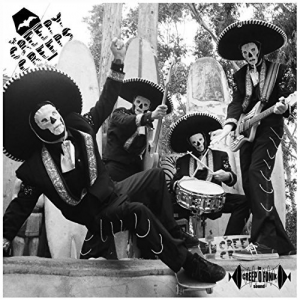
The Mission Creeps
Stereophonic Space Sound Unlimited
Man Or Astro-Man?
Robert Drasnin
The Surf Zombies
Don Tiki
Satan’s Pilgrims
The Ghastly Ones

That ought to tide you over until the new reviews are posted. As an added bonus, we have a special tie-in episode scheduled for our “6′+ (Six Foot Plus)” podcast! If all goes according to plan, it will have a fine mix of exotica and surf music taken from musicians covered last year, this year, and even some artists we hope to cover in the future. Keep your eyes here (or at either of our Facebook pages) for more details.

In the meantime, you can have fun listening to past episodes, where you’ll find at least one surf or exotica track per episode. Our most recent episode, “Aloha Luau Aloha” should be of definite interest to all who are reading this.

The Ghastly Ones

Official Site

Target: Draculon, Ghastly Plastics 2006
Unearthed, Ghastly Plastics 2007

Well, Freaky Tiki Surf-ari has come to a close and I’ve saved what’s often regarded as (and rightfully so) the best for last. Not only do the Ghastly Ones play amazing horror surf jam-packed with horror movie references, but they also sell spooky Tiki mugs! Besides, how can you not love a band named after an Andy Milligan movie?

The band itself was founded in Van Nuys, California in 1996 and played their first show on Halloween. 1997 marked the release of their first album, A-Haunting we will Go-Go and they’ve been putting out new material ever since. In addition to the mysterious “Go-Go Ghoul” Necrobella, the band consisted of:

Garrett “Dr. Lehos” Immel: Guitar
Kevin “Sir Go Go Ghastly” Hair: Bass
Dave “Captain Clegg” Klein: Keyboards
Norman “Baron Shivers” Cabrera: Drums & vocals

I say “consisted of” since Sir Go Go Ghastly has since left to pursue other projects.

(more…)

Satan’s Pilgrims

Official Site

Plymouth Rock, Musick Recordings 2004
Psychsploitation, Sp Records 2009

According to their official Facebook page, Satan’s Pilgrims formed in 1992 over a (quote) “series of house parties hosted by the members of the band” in Portland, Oregon. Basing their name on the exploitation film Satan’s Sadists, the Pilgrims soon became an official group and rocked wherever they performed.

Dude, I'm pretty sure something's wrong with that tripod...

The Pilgrims themselves say that the best album of theirs for horror fans to check out is Creature Feature. However, as said album is now long out of print, they recommend Plymouth Rock (which includes selections from Creature Feature)).) Said “best of” album is a two disc compilation of their greatest songs, along with plenty of rare and previously unreleased goodies. There’s even some video content (due to the use of enhanced CDs), but technical issues kept me from viewing it at this time. Apparently, it generated so much interest in the group that they reanimated from their hiatus in 2000 and have been performing ever since!


Disc 1 begins with the sounds of dragging chains and moving crates opens that open “Vampiro.” The drums and fast, pounding guitars (with one particularly reverby) of this tune are loosely based on the theme from the 60′s Batman show starring Adam West and Burt Ward. Similarly, cymbals and speedy drums start things off in “Que Honda?” and are backed by guitars that soon take the center stage. Some light wordless male vocals appear later, which are barely audible under guitar work. A “Latin”-sounding buildup takes use to the reverb ending.

“Plymouth Rock” opens with reverb guitar work and a steady drum beat, both of which speed up a bit when the cymbals are added in. There’s a very classic surf feel to this. “Super Stock” use dual reverbing guitars over percussion to make for an interesting sound. I can easily imagine cruising along in a stock car to this.

“Grave-Up” starts with a spooky voice mentioning the title, with equally spooky organs that start up with guitars and drums. It slows down to a somewhat bouncy feel at some points, but it never seems too much of a contrast. The guitars really start wailing just under 2 minutes in, but go back to normal soon enough for the end. The opening drums of “La Cazuella” give way for reverbing guitar and its more traditional sounding counterpart. The exotica favorite, the guiro, appears as well. There’s an appropriately Latin feel to this segment and medium guitars play throughout. I think I detect some claves as well. Everything slows down to just guitars at the end.

“The Godfather” is a surf cover of the theme to The Godfather (of course). The guitars and drums are fast-paced at first, then they slow down and handclap-sounding drum beats give things an extra Italian feel. But as you’ve likely guessed, things pick up again not long after.

“Boss BSA” starts with fast drums and guitars and soon reverb is heard. It gets extra fast at times, although there’s a softish reverb solo about 2:30 minutes in. Drums quickly join them and things get a bit faster (but are still soft) and don’t slow down until the final segment.

“Peter Lorre” is named for the legendary horror actor and nicely starts things with “Toccata and Fugue in D minor” on the organ, followed by creepy, rocking guitars and percussion at breakneck speed. There are some really rocking guitar riffs about 1:30 minutes in and the cymbals get quite a workout here. There are also some light touches, perhaps a reference to Lorre’s humorous portrayal of some of his roles.

Soft, eerie violin music takes us in “Creature Feature,” then crackles and pops take us to guitars and laserblast-like reverb appears with the drums. It’s a mostly foreboding sound, but there are the occasional light guitar riffs. I love the wailing guitars over drums that play just before the four minute mark.

Despite the name, “Shit Sandwich” is actually quite good. Drums, maracas and guitars with odd sounding reverb make this a rather unique track. The band chants the title at points. Reverb punctuates certain points and a tambourine briefly appears later. Watch out for the maracas at the fake ending, as the guitars return for the real deal.

“Chi Chi” uses light, medium guitars to open and they get just a touch louder when the percussion joins in. It’s peaceful, but energetic. It soon picks up with a Latin sound and clap-like drumming, but goes back to the original style soon enough. The single opening guitar “Soul Pilgrim” of is soon joined by the organ and tambourine, which foreshadows the sound of their Psychsploitation album. Some cymbals and drums appear as well and later to add to the beat, but this is really the organ’s song.

In “Badge Of Honor,” reverb guitars go fast and the backing percussion is even faster. There’s also lots of (thankfully) fake endings in it. Similarly, fast drums lead to equally fast guitars in “Surf Lyre,” although the guitar work is more varied. It’s another classic-sounding song…not that I’m complaining, mind you. In fact, I really love the guitar work here.

Soft, reverbing guitar cords increase in volume for the opening of “The Lonely Pilgrim.” Dual guitars and the sound of waves also heard here as well. It has a very lonely feel, and it’s hard to tell if it’s using cords or soft male sighing at times. “Ragtop” begins with fast-paced drums and cymbals, which seem even faster due to last song. Guitars join in, which are soon followed by reverb and organ. The guitars pick up at es (with really wailing sound at one point) as well and things really pick up towards the organ-filled ending.

High pitched guitars open for fast percussion on “Scorpio 6.” The organ drops in for a spell and vanishes as quickly as it appeared a few times, which adds to the spy-surf feel. Everything picks up for the big finish, which makes for a great way to close the disc.

Disc 2 starts with “Soul Creepin’.” Its opening steady percussion intros the light guitars and somewhat louder organ work. Both the guitars and organ pick up for a fast paced, rocking sound that is soon joined by cymbals, although it slows down somewhat for end.

“Haunted House Of Rock” starts with lightning sound effects and oddly reverbing guitar work thats leads to heavy percussion and another, wailing guitar. It’s all very spooky and there are more lightning effects later. I know lightning technically doesn’t make a sound, but I swear that’s what the effect is supposed to be.

Speedy, light drums and fast, wailing guitars give “The Outsider” a much lighter-hearted feel than the title would have you expect. There’s some crazy good guitar work here, along with some cymbals and the occasional harmonica! Fast percussion and guitars open “Seaside Run.” Said guitars soon reverb up a storm against the cymbals and there’s some great drumming as well.

Guitars, drums and the organ form “Hot Coco,” which is a medium speed song. After a fake end, the drums briefly take over and then the others return. The organ makes it seem like the song is going to end at one point, but that’s also just a trick. Heavier-sounding fast guitars and percussion start “If You Wanna.” Lightish organ work appears at times, but the starting instruments own this for the most part.

“Harem Nocturne” starts with fast drums and loud, heavy reverb guitars, but said guitars tone it down a notch or two as the cymbals join in. Some bells appear when things really get fast and furious as well.

Medium guitars open “Spanish Head” and soon the reverbing starts. The percussion is fast in this, as it tends to be for most songs by the group, which adds to the track’s great sense of power and speed. The lightish guitars that start “The Hondell” are backed by fast cymbals and drums. There some kind of wooden percussion used here, followed by drum beats that remind the listener of clapping hands.

“Escape/Psychedelic Venture” comes from a Ventures tribute compilation. The opening slow percussion speeds up and fast guitars quickly join in. It eventually slows down with the organ for an urgent feel, then speeds up with a sound that will bring footsteps to mind. That effect leaves eventually, but the speed sure doesn’t!

“Green Chili” has slow, heavy drums and guitars which give it a Spanish feel. Cymbals pop into the backbeat as well. It may be be slower than other tracks, but is never boring. The final track, “Black Boots & Bikes,” makes great use of fast ‘n heavy percussion plus fast guitars. There’s lots of fascinating variations and change-ups to the music, along with the sounds of revving motorcycles used at one point.

How cheeky!

The band’s most recent effort, Psychsploitation, feels so 70′s that I swear my carpeting started growing to shag length as I played it. It’s a concept album themed around exploitation movies, a close cousin to horror films. The cover looks exactly like an old (s)exploitation movie poster would. In fact, it’s easy to imagine that this is the soundtrack to some long lost Mantis in Lace-style film about a woman who goes on a killing spree after one bad LSD trip too many. Also..

Wait, I forgot to list the band members and what they played for the last album, didn’t I? Oh well, thank goodness they kept the same basic line-up (with a few additional instruments) for this:

John Pilgrim: Electric bass
Bobby Pilgrim: Electric guitar
Ted Pilgrim: Drums & percussion
Scott Pilgrim: Electric guitar percussion
Dave Pilgrim: Electric guitar, electric sitar, percussion & organ

“Dilation” opens with 70′s-sounding drumbeat followed by a “freak-out” sound effect, guitars and organ. The guitar builds up while more freaky sound effects play, then percussion and more guitars join in. Tambourines (or fast cymbals) and still more freaky sounds join the beat. There’s cool drum work at end plus one final sound effect.

W. Proctor’s “In the Past” has a sitar join the guitars and drums for a unique surf sound. Magical sound effects or chimes, cymbals and clacking wood further add to its uniqueness. There’s an organ and gong as well, but the sitar and guitars are the stars of this show. A guitar and tambourine backed by organ and percussion form “Chestnut Trees and Bumblebees.” The organ gets quite a workout here and I love the main guitar riff.

“Tomorrow Night’s Mourning” starts with fast guitars that are soon joined by drums for a funky beat. You’d better believe the organ gets in on the action at times, as do cymbals. “Wylde Tymes” offers fast paced guitars and cymbals, and the guitar reverb put to good use here before the drums kick in. This definitely has wild feel, especially the guitar work about a minute into it.

Although arranged by Satan’s Pilgrims, “Kaleidoscope” was written by one J. Gordon. After an organ intro, tamborine and electric bass join in. There’s lots of organ variations here, with some light guitar work to boot. It gets rather dark and freaky at the end.

“Tracers (Of Love)” has reverbing, echoing opening guitar notes that are soon joined by drums and the ever-present organ. The chorus of “buh buh buh” by male and female vocalists singing one after the other is too 70′s for words. Really. We get an instrumental interlude with some light vibraphone work by Doug Smith before the vocals return. Said vocals were provided by Dave Pilgrim, Eric Hedford, Amy Faust, Jana Losey and Madison Christine.

“Night of the Face” starts with tinkling and sound effects, plus echoing female vocals by Amy Faust about seeing a face in the sky. Then we get more sound effects, silence and rocking guitars over drums and organ. The playing gets extremely wild and freaky towards the end, which consists of more sound effects.

“Colours of Your Mind” features guitars over steady, speedy drums & cymbals beat. Reverb gets plenty of use here and thing get pretty freaky with organ at one point. The odd-sounding (but cool) fast guitars of “Psycle Pswami” play over equally fast drums and a funky organ. Things get very rockin’ here and the organ does have a somewhat otherworldly feel to it.

“Rainy Day Green Stop Sign” has a surprisingly non-surf guitar opening and drums, but the surf sound soon appears. There’s a medium feel to this in terms of volume and speed. I could be wrong, but I think our old friend the sitar shows up in this as well. The organ certainly does, that’s for sure. Drums and the guitar get a lengthy segment to themselves near the end.

The drum opening “Psych-A-Go-Go (Psych Out!)” leads to fast guitars over drums and the organ. We’ve got wild organ melodies and guitar riffs aplenty here. Soft vocals by Dave Pilgrim, Eric Hedford, Amy Faust Jana Losey and Madison Christine chant “psycho” around two and a half minutes in. There’s a definite freak-out feel to this.

“10,000 Mirrors” is opened by a cowbell, tambourine and guitars. We hear a freaky sound effect, then guitars and percussion join in. Soon, more sound effects (that sound somewhat like screams) and the organ enter the mix. The drums get quite a workout; there’s a buildup and super freakout near the end, but things get much softer after it. The vocals hear were performed by Dave Pilgrim, Eric Hedford and Scott Pilgrim.

So whether you’re a long-time fan of Satan’s Pilgrims or if you’re just starting out, I definitely recommend that you grab both albums.

Special thanks to Satan’s Pilgrims for the review copies!

Don Tiki

Official Site

South of the Boudoir, Taboo Records 2009

You don't have to turn off the red light...

I first became hooked on Don Tiki after hearing the spooky Tiki track “The Natives Are Restless.” Further research on the band led me to discover that they had done other songs with kinda creepy titles, such as “Axolotl” and “The Hypnotizing Man.” Their debut album, The Forbidden Sounds of Don Tiki also depicts creepy idols, green fire and a human skull (carrying over aspects from the cover of The Exotic Moods of Les Baxter). Not that it effects my enjoyment of the band, mind you. Don Tiki could have never done any of those things and I’d still love ‘em.

The booking agent for Don Tiki had an interesting observation about Ritual of the Savage, the same album whose cover art inspired the creation of the Freaky Tiki Surf-ari. He said that the spooky idol images were “…meant to stir passions within the safety of suburbia,” or as the band likes to say, “where sensual fantasies exist…especially after that third mai tai.”

Sex is an aspect of Tiki culture (that link is NSFW, by the way), although said aspect is often toned down in general pop culture. Don Tiki has embraced this aspect of Tiki, as evidenced by this album’s title and Skinny Dip With Don Tiki. Speaking of the album, they’ve really gone all out and have assembled quite a selection of talent. In addition to the core members:

Jim Howard: Flute
Sharene Lum: Harp
Hai Jung: Lead & backing vocals
Sherry Shaoling: Lead & backing vocals
Delmar deWilde: Lead & backing vocals
Carlinhos de Oliveira: Brazilian percussion
Perry Coma: Keyboards percussion & backing vocals
Noel Okimoto: Vibes, marimba, drums & percussion

They also brought in:

Ryoko Oka: T’rung
Dean Taba: Basses
Jason Segler: Drums
James Ganeko: Congas
Starr Kalahiki: Backing vocals
Rockford Holmes: Saxes & flutes
Yo Ma-Ma (Jimmy Borges): Lead vocal
Lopaka Colon: Jungle percussion (of The Waitiki 7 fame)

(more…)

The Surf Zombies

Official Myspace

Something Weird, Oasis Manufacturing 2009

Criswell Predicts!

The Surf Zombies first came to my attention by the way of a “Rock and Roots” CD sampler. The split second I saw the song title “El Funebre (The Hearse)” and the band’s name on the track listing, I knew I was in for a treat. Listening to it confirmed my expectations and immediately got me hooked on the band’s work. So when the Freaky Tiki Surf-ari started, I knew I just had to include them.

Formed in 2005 by lead guitarist Brook Hoover, the Surf Zombies originally consisted of Hoover, Jim Viner on drums and Doug Roberson on guitar. But as the notes for their second album Something Weird (the subject of this review) explain, tour issues led to their replacement by Erik Marshall on drums and Kyle D. Oyloe on guitar. Fender jazz bassist Joel McDowell has also been a constant in the group’s changing line-up and wrote many songs for the album(along with Hoover and Oyloe). The album’s complete lineup includes:

Brook Hoover: Fender jazz guitar
Joel McDowell: Fender jazz bass
Kyle Oyloe: Fender jazzmaster & danelectro baritone guitar
Jon Wilson Drums: Drums on track 19
Charles Hasson: Drums on tracks 16 and 20
Erik Marshall: Drums on tracks 2, 3, 7, 11, 12
Ryan Hoagland: Drums on tracks 1 4 5 6 8 9 10 13 14 15 17 18

But enough about the band, let’s get to their music…

(more…)

Robert Drasnin

Official Site

Voodoo II, Dionysus Records 2007

That voodoo that he do so well...

Martin Denny. Les Baxter. Arthur Lyman. They are the greats of the classic exotica world. However, I think there’s a name missing from that list: Robert Drasnin.

Granted, he’s only released two exotica albums, Voodoo and Voodoo II, but I think their quality and importance more than makes up for the lack of quantity.

The Voodoo series actually has an interesting history. Back in 1959, Drasnin composed Voodoo for Tops/Mayfair Records. Tops re-released it a year later with new cover art and under a new title: “Percussion Exotique.” It wasn’t until 1996 that it was reissued onto CD by Dionysus Records. That same year, Pickwick Records (then owned by the now-defunct video company Simitar) released a CD called Exotic Excursion which was made up of 10 of the original album’s 12 tracks. However, while the Dionysus release was mastered from a previously unplayed record, the Pickwick release used the original master tapes from the 50′s. Why two different companies released CDs of the same material using different masters (and why the one using the master tapes didn’t use two tracks) is a mystery to me.

After the original release of Voodoo, Drasnin performed as a musician in numerous other albums, did work on television shows like Lost in Space and The Man From U.N.C.L.E. He even became CBS’ Director of Music in 1977! According to the liner notes, the idea to create a sequel to his hit exotica album came in 2005, after the tremendous response to his live performance of selections from Voodoo at the Hukilau Tiki festival. Two years later, Voodoo II was released.

Not only did Mr. Drasnin compose, conduct and arrange the entire album, but he also played the clarinet, flute and saxophone! One top of that, he recruited:

Mike Lang: Piano
Jim Hughart: Bass
Billy Hulting: Vibes
Amy Shulman: Harp
Peggy Baldwin: Cello
Howard Greene: Drums
John Sawoski: Keyboard
DJ Bonebrake: Marimba
Stephanie Bennett: Vocals
Bobby Shulgold: Alto flute, flute
Brad Dutz and Scott Breadman: Latin percussion

As you can see, this was a true labor of love and not a quickly slapped together cash in. In fact, the resulting sound is so rich (thanks to the use of so many instruments) that my write-up can’t cover them all!

(more…)

Man Or Astro-Man?

Official Site

Live Transmissions From Uranus , Touch and Go Records 1997 (Original release date: 1995)

Founded in Auburn, Alabama during the early 90′s, Man Or Astro-Man? soon rose to fame for both their excellent surf music and various gimmicks. Not only did they base songs on horror and sci-fi movies (even including samples from some), but all the members of the band use pseudonyms and claim to actually be aliens from outer space!

As a fan of surf music, Godzilla movies and Mystery Science Theater 3000, it was inevitable that I would repeatedly hear about the greatness of Man Or Astro-Man? Not only were they extremely talented musicians, but they did a cover of the theme song for Mystery Science Theater 3000, and included references to Godzilla movies in much of their work, from songs like “King of the Monsters” to albums like “Experiment Zero” (Monster Zero) and “Destroy All Astro-Men!” (Destroy All Monsters). In fact, my love of Japanese monster movies led to my figuring out where the band got their name. While reading a book on Toho films, I noticed that the tag line on the US poster for The Human Vapor read “Is He Man? Or ASTRO-MAN?” Sadly, the band’s releases were all but impossible to obtain in my day and it was only due to my doing the Freaky Tiki Surf-ari that finally lead to me hearing their work.

“Live Transmissions From Uranus” is a recording of a 1994 concert in Gainesville, Florida that mostly consisted of material from the albums “Destroy All Astro-Men!” and “Project Infinity.” The performers consist of the founding members “Birdstuff,” “Coco the Electronic Monkey Wizard” and “Star Crunch” (their membership has changed many times over the years). As this is a live show, the majority of the tracks have spoken introductions by the group and constant interaction with the screaming audience. However, my review will only make note of the particularly interesting or funny bits.

(more…)

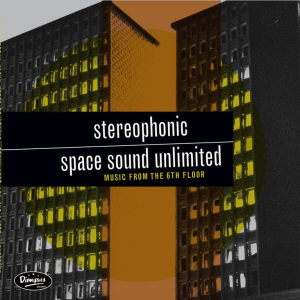
Stereophonic Space Sound Unlimited

Official Site (Label)

The Spooky Sound Sessions, Dionysus Records 2009

There's always room for giallo!

After Kava Kon, we have one more stop in our Freaky Tiki Surf-ari side trip through the world of neo-exotica, which also takes us further into the world of space age pop.

Stereophonic Space Sound Unlimited is something of a mystery to me. They don’t have any official website or social networking pages that I can find and what few tidbits of information about them I managed to find online are very brief. Their Wikipedia entry refers to them as a “Swiss instrumental band” that’s been releasing albums since the late 90′s, along with references to some projects that have used the band’s music on their soundtracks. This calls them a “Swiss instrumental/exotica/space age duo,” which makes the mention of a third musician on the CD’s back cover a bit confusing. Are they a new member or a special guest? I honestly can’t say that I know. All I do know is that these people are credited are:

Karen Simpson: Guitar and percussion.
Markus Maggiori: Bongos, congas, and percussion.
Natz Maeschi: Guitar, bass, organ and keyboards (He also wrote the music).

Reading the CD also resulted in my realizing that the album’s title was due to the music being recorded at the “Spooky Sound Studio.” This initially did have me worried that this wouldn’t be a good fit for Freaky Tiki Surf-ari but as soon as I played the first track, I knew everything was going to be all right…

(more…)

The Mission Creeps

Official Site

Dark Cells, Refractory Records 2010

Don't ask me, I have no idea what that is.

The Mission Creeps aren’t your typical horror surf band. Brandon Specktor of the Arizona Daily Wildcat described their unique style as “gothic/garage rock,” ReverbNation called it “reverb-drenched guitar, psychotic theremin and velvelty…” and one Frankie Estelle calls them a “Cramps-style surfabilly band.” The Creeps themselves have used the term “CreepDamageRock” while I personally define it as “dark surf crossbred with various other genres and styles.”

I suspect their ever-evolving style has some times to the group’s history. Back when the band was founded in Tucson, Arizona by singer/guitarist James Arrr, it had around 5-6 members and a constantly changing parade of drummers. This continued into their 2007 debut album In Sickness and In Health and their 2008 Ghouls Among Us EP. But Dark Cells marks a new direction for the Mission Creeps, as the band has been pared down to three members: The previously-mentioned James Arrr with Miss Frankie Stein on bass and newcomer Jeff DiDay on drums.

(more…)

Chaino

Official Site (Label)

Eye of the Spectre, Dionysus Records 2008 (Original release date: 1957)

*glass drop*

One of the most striking things about this CD is the cover, the artwork on which looks like something from a horror comic by Eerie Publications. It features an African tribesman strangling and preparing to whip a native woman in practically see-through clothing, who is in turn struggling to reach a dagger. Pretty bold stuff for a 1957 release and it is nothing short of amazing that Dionysus Records (under their Bacchus Archives imprint) was willing to use it in our modern times.

But don’t let your feelings about the cover affect your opinion of the artist or the music. If anything, let it provoke your curiosity…who or what is Chaino? According to the liner notes, producer Kirby Allan had recorded the sounds of tribal wedding ceremonies in Africa and attempted to build interest in his “new sound.” After receiving numerous complaints that the music was too repetitive, Allan decided to rework the music a bit to make it more palatable for American listeners. To this end, he teamed up with a musician whose real name is lost in time and is known only as CHAINO…

Eye of the Spectre is the first of six Chaino albums and its odd name is (according to the back cover) a reference to the “unbridled passion of love’s eerie spectre.” But that, along with the scary Tiki figure art on back cover aren’t Chaino’s only horror connections. The liner notes reveal that Chaino songs were used in low budget chillers like Night Tide and The Devil’s Hand.

Now that I think about it, those films have been released through many “public domain” DVD labels. As Atomic Mystery Monster often points out, even if we assume the films themselves are truly PD, those companies could get sued if the Chaino songs on their soundtracks weren’t created especially for the film as works for hire. If the Chaino material was created before those films, it would copyrighted separately. You see, you have to replace or license music that’s still under copyright even if it appears in a public domain work. That aside, the use of Chaino’s music in those films is still not the final horror connection…

(more…)

The Moon-Rays

Official Site

Sinister Surf, Sound Imp Records 2006

Forget the headless surfer, rage virus Jabberjaw and Squiddly Diddly are TERRIFYING.

This may surprise you, but I already knew about the majority of the surf bands I’m reviewing before I started the Freaky Tiki Surf-ari. If I hadn’t heard of them on my own, then Strange Jason had recommended them to me. However, there are a few exceptions. While researching some albums on Amazon, I noticed a recommendation for Swingin’ at the Seance by the Moon-Rays. Intrigued, I clicked on the link and read up on the album. A CD composed entirely from re-recordings of vintage Halloween songs from the 20′s, 30′s and 40′s? It wasn’t eligible for the Surf-ari, but I decided to look up the band’s contact info and file it away for use in the next Halloween countdown. But in the process of doing so, I discovered that the band usually did surf music and my plans quickly changed. And that’s how the Moon-Rays became the second surf band I had discovered during the Freaky Tiki Surf-ari, the other being Witches in Bikinis.

But enough about that, let’s talk about the band themselves. Formed in 2000, the Moon-Rays consist of Scott Mensching (percussion and vocals), Greg Griffiths (keyboards), Andy Blanco (saxophone and vocals), Brandon Cochran (guitar) and Paul Luka (bass). According to their Facebook page, the band’s first big break was in 2001. That’s the year they recorded the theme for the famous Creatures Features TV show. This foreshadowed the use of their music in many horror-related movies in the years to come (also noted on their Facebook page). Although much of their output in those days were cover versions of songs, Sinister Surf is one of their more recent ventures into albums consisting of mostly original material. But be it cover or original, the Moon-Rays always make it sound amazing.


“Sinister Surf” gets things going with a mix of bongos and a surf guitar. The appropriately spooky undertones are greatly enhanced by the wailing saxophone. Said bongos and saxophone build up to a big finish, which then brings us to the next track. Put on your beret and sunglasses daddy-o, ’cause “Spookwalk” has a very beatnik sound and feel to it (especially in its use of drums, cymbals and saxophone). Said instruments take center stage over the guitar and organ-sounding keyboard. The guitar later takes over and adds to the song’s definite feel of strutting down street, but the sax returns as focus for the ending.

“Drag Fink” is clearly inspired by Rat Fink, which is appropriate since the album is dedicated to Ed “Big Daddy” Roth. Bongos and soft guitars build things up, and cymbals join in with the occasional saxophone toot which grows into a riff of sorts. The guitar takes the reins until the sax takes over and gets assistance from some light bongo use as it fades out.

“Hare-um Scare-um” has a rather spooky organ (keyboard) opening. A guitar then starts in, with the “organ” merely providing backup. The finger cymbal clashes sprinkled throughout add a Middle Eastern feel. Drums pop in, along with a saxophone, then the organ gets more prominent role. Drum beats and guitar strums take us to the end. Although I doubt the song was intended as a reference to the fact I’m about to share, I still find it interesting that the Elvis movie Harum Scarum played on a double bill with Ghidrah, the Three-Headed Monster in some US markets.

“Hearse With a Curse” warns that there isn’t anything worse than the item mentioned in the song’s title and we’re warned not to buy it several times throughout the song. Creepy sound effects give way to a sax, drums, guitars and “organ.” The guitar use takes over for the organ by the time the humorously sung warning reappears. There’s also a skit of sort as some poor sap named Billy (Mensching) expresses interest in the cursed hearse, which the evil, laughing salesman (Blanco) takes full advantage of. As Billy drives off, the guitars wind down and we hear a hubcap rolling that suggests an accident has taken place. The liner notes say this was not written by The Moon-Rays and I can only guess that the group guest appearing on this track (The Dead Beats – Kathy Dunjai, Bill Holtane and Robert Lewis) originally composed it.

“The Devil In Nylons” uses a sax backed by drums and cymbals to conjure up the image of a dangerous, sultry figure. It can sound extra “surfy” at times, especially the “Wipe Out”-like part. The guitar strums and possible light vibraphone use give “Mysterion” an eerie feel to its opening. This mood is further enhanced by aided by sound effects. A guitar and the organ-sounding keyboard sets an assertive pace (but with hint of mystery as well). Drums pop in and out, as does a heavier-sounding guitar. Our old friend the sax jazzes things up while vibes, guitars and more sound effects bring things to a close.

“Night of the Rodent” has a classic surf buildup, with a shaking tambourine and saxophone wailing like banshee coming in soon after. Guitars and soft, wordless female vocals (by guest singer Joelle Charbonneau-Blanco) remain in the background for much of song, but do rise up on occasion (especially for the end).

“The Raven (for Beatniks)” has a “beatnik exotica” feel due to its vibraphone (played by guest musician Bruce Nelson) and drum-based opening, which is soon followed by the saxophone. Said vibes often underscore points and the sax gets long interludes in between the beatnik-ized lyrics before the song’s abrupt stop. One Maynard G. Krebbs is responsible for this unusual (but amusing) reworking of Poe’s classic and beatnik lingo guide in liner notes will come in quite handy for any confused listeners.

“Deep Into Midnight” starts with clashing cymbals and chimes, which lead into light guitar and piano (handled by Scott Mensching) work. The overall mood is very soft and relaxing, especially the saxophone use and female “la la la’s” and “oooohs. ” Magical sounding chimes pipe in at times and are used to great effect for the conclusion.

“Sophomore Werewolf In Love” is a bonus a capella-slash-doo-wop track, complete with finger snaps and a howling “a-wooo” chorus. It’s dead-on parody of the old “lovesick teenager” song, with the twist that the protagonist is also a werewolf. There are plenty of humorous asides, such as the lead singer commenting on the close proximity of a haunted forest to a high school and his being equally afraid of angry villagers and being grounded. His wondering about why this sort of thing happened to a good kid like himself will undoubtedly remind horror fans of the poem from The Wolf Man.

“Night of the Day of the Dead” is a hidden bonus track whose existence is hinted it on the back cover. It’s a Mexican-sounding surf song with excellent guitar work backed by drums and maracas. It gets somewhat heavier towards middle, but softens up just before fadeout. It’s easily one of my favorites from the CD.

Speaking of the CD, its designed to look like a vinyl LP. However, the grooves are printed on rather than actually being grooved like Strange But Surf’s Swimming in Reverb was. In any case, you should definitely pick this up. I think you’ll enjoy discovering this album as much as I did.

Special thanks to Sound Imp Records for the review copy!

Bad Behavior has blocked 1447 access attempts in the last 7 days.